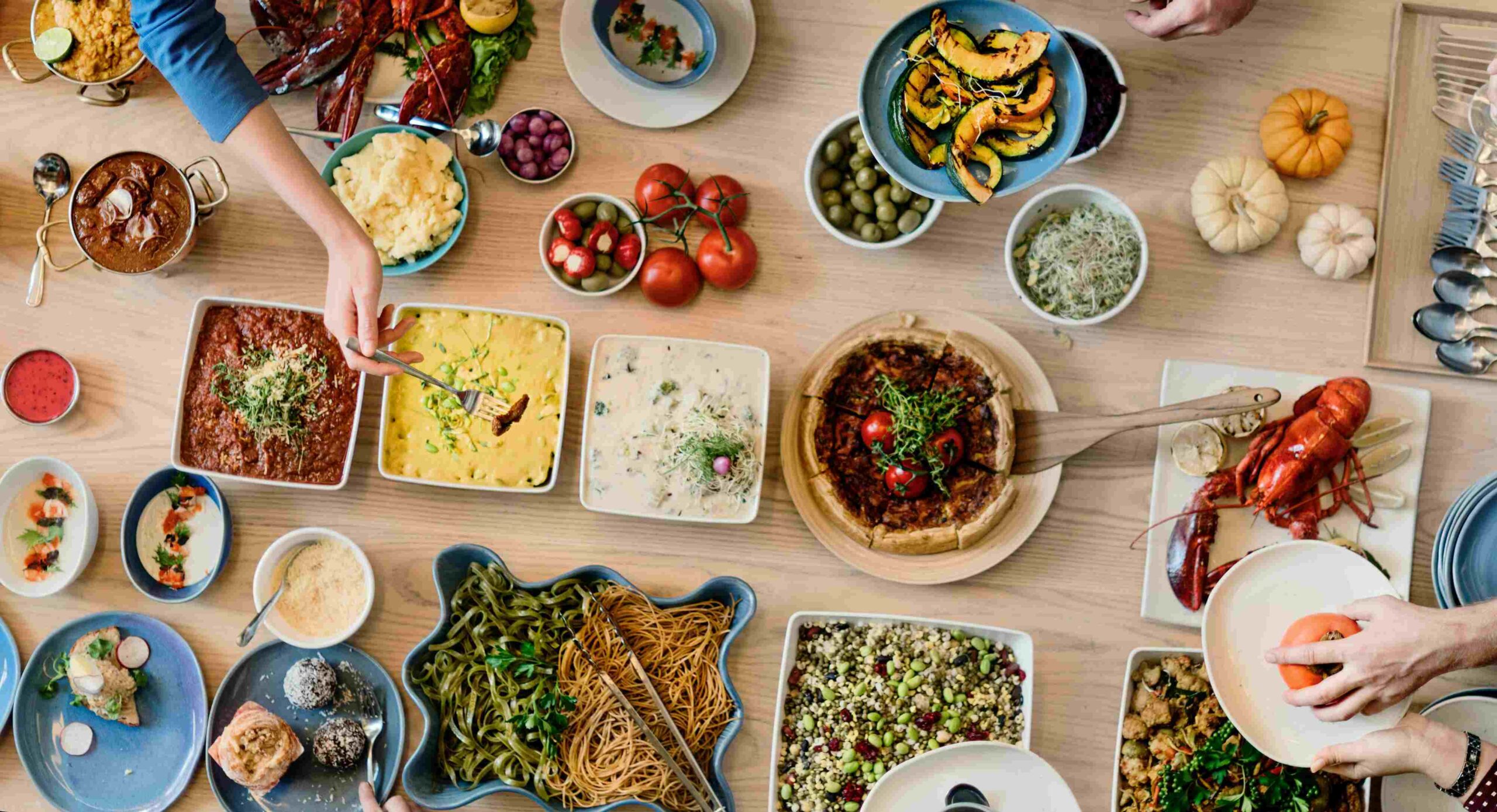
Food offers one of the most enjoyable ways to discover the world. Every country has unique flavors, cooking methods, and dining traditions that reflect its history and culture. For travelers who love exploring new places, trying local dishes creates meaningful experiences that go beyond sightseeing. A simple meal can reveal how people live, celebrate, and connect with their communities.
Culinary travel brings together the excitement of discovering new destinations and the pleasure of enjoying delicious food. From busy street markets in Asia to family-owned restaurants in Europe, each destination offers something special. Exploring international cuisine also helps travelers appreciate different ingredients, cooking styles, and cultural values. These experiences turn ordinary vacations into memorable journeys filled with flavor, learning, and personal connections.
Discovering Culture Through Traditional Cuisine
Traditional food tells the story of a community. Recipes often pass from one generation to another, preserving family memories and cultural traditions. Local ingredients, weather conditions, and historical influences shape the meals people prepare. For example, Mediterranean cuisine often features olive oil, fresh vegetables, and seafood. Meanwhile, many Asian dishes combine rice, vegetables, spices, and carefully prepared sauces. These differences show how geography and culture influence everyday meals.
Travelers can learn about a destination by exploring its traditional dishes. Visiting local restaurants and speaking with cooks provides insight into regional customs. Many families prepare special meals during holidays, religious celebrations, and community gatherings. Understanding these traditions makes dining more meaningful. Instead of simply enjoying a delicious plate of food, visitors gain a deeper appreciation for the people and stories behind each recipe.
Exploring the Exciting World of Street Food
Street food offers an affordable and authentic introduction to local cuisine. Busy markets and roadside stalls serve freshly prepared meals that reflect everyday life. In Thailand, visitors can enjoy pad Thai, grilled skewers, and mango sticky rice. Mexico offers flavorful tacos, tamales, and freshly made snacks. Indian streets feature dishes such as samosas, chaat, and dosas. These foods allow travelers to experience regional flavors without visiting expensive restaurants.
Street food markets also create opportunities for cultural interaction. Travelers can watch vendors prepare meals, discover unfamiliar ingredients, and learn about local cooking techniques. The lively atmosphere adds excitement to the experience. However, visitors should choose vendors that follow good food safety practices. Busy stalls with freshly cooked food often provide a practical starting point. Exploring street food with curiosity and care can create lasting memories.
Experiencing Europe’s Rich Culinary Heritage
Europe offers a wide range of culinary traditions shaped by centuries of history. Italy attracts food lovers with handmade pasta, wood-fired pizza, and regional cheeses. France is known for fresh pastries, traditional breads, and carefully prepared meals. Spain offers tapas, paella, and regional seafood dishes. Each country has its own approach to cooking, yet many European food traditions share an appreciation for fresh ingredients and time spent enjoying meals.
Exploring European cuisine often involves visiting small bakeries, local markets, and family-owned restaurants. Travelers can discover regional specialties that may differ from familiar international versions. For example, Italian pasta dishes vary greatly between northern and southern regions. French cooking also changes across different provinces. Learning about these regional differences helps visitors understand the diversity of European food culture. Every destination provides new opportunities to enjoy authentic flavors.
Discovering the Bold Flavors of Asian Cuisine
Asia offers remarkable culinary diversity, with each region presenting distinct flavors and preparation methods. Japanese cuisine often emphasizes seasonal ingredients, balanced presentation, and natural tastes. Chinese cooking includes a broad range of regional styles, from spicy Sichuan dishes to delicate Cantonese meals. Korean food features fermented vegetables, grilled meats, and comforting soups. These traditions demonstrate how ingredients and cooking methods can create different dining experiences.
Southeast Asian countries also provide exciting opportunities for food exploration. Vietnamese cuisine combines fresh herbs, noodles, and flavorful broths. Thai cooking often balances sweet, sour, salty, and spicy elements. Indonesian dishes frequently include rice, coconut milk, and aromatic spices. Travelers who explore local markets and neighborhood restaurants can discover flavors that rarely appear on international menus. These experiences highlight the creativity and cultural importance of Asian cooking.
Exploring Latin America’s Colorful Food Traditions
Latin American cuisine reflects a blend of Indigenous traditions and influences from Europe, Africa, and other regions. Mexico offers dishes built around corn, beans, chilies, and fresh herbs. Peru is known for ceviche, potatoes, and diverse regional ingredients. Argentina has a strong tradition of grilled meats, while Brazil features dishes that combine beans, rice, vegetables, and different proteins. These cuisines reflect the agricultural resources and cultural histories of their communities.
Food also plays an important role in Latin American celebrations and family gatherings. Many traditional dishes require careful preparation and shared effort. Families often gather to cook recipes that carry personal meaning. Travelers can experience these traditions through cooking classes, food festivals, and community markets. Learning how people prepare and share meals creates a stronger connection to local culture. It also reveals the importance of hospitality throughout the region.
Discovering African Cuisine and Regional Specialties
Africa offers a rich collection of culinary traditions shaped by geography, agriculture, and cultural exchange. North African cuisine often features couscous, slow-cooked stews, and aromatic spices. Moroccan tagines combine vegetables, meats, and seasonings in flavorful dishes. West African cooking includes meals made with rice, yams, plantains, and groundnuts. Jollof rice, enjoyed in several West African countries, demonstrates how familiar ingredients can inspire different regional preparations.
East and Southern Africa also offer distinctive dining experiences. Ethiopian cuisine includes injera, a soft fermented flatbread served with various stews and vegetables. South African cooking reflects several cultural influences, including traditional grilling practices. Exploring these dishes helps travelers appreciate the continent’s culinary diversity. Local restaurants, markets, and home cooking experiences provide opportunities to learn about regional ingredients. Food becomes a welcoming introduction to communities with rich cultural histories.
Learning New Skills Through Local Cooking Experiences
Cooking classes offer travelers a hands-on way to understand international cuisine. Instead of only tasting traditional dishes, participants learn how to prepare them. Local instructors often explain the importance of specific ingredients and cooking techniques. A pasta-making class in Italy might introduce regional dough preparation. A Thai cooking workshop could demonstrate how herbs and spices create balanced flavors. These activities make culinary travel more interactive and educational.
Learning from local cooks also helps preserve meaningful travel memories. Visitors can bring new recipes home and share their experiences with friends and family. Preparing international dishes encourages creativity and builds confidence in the kitchen. It also supports a greater appreciation for the time and effort involved in traditional cooking. These skills allow culinary discoveries to remain part of everyday life long after a journey ends.
Supporting Local Communities Through Food Tourism
Culinary tourism can provide valuable economic opportunities for local communities. Small restaurants, market vendors, farmers, and independent food producers benefit when travelers choose locally owned businesses. Buying regional products also helps support traditional farming and food preparation methods. Visitors who explore neighborhood markets often discover fresh ingredients and handmade specialties that reflect local identity. These purchases can contribute directly to the communities that maintain regional food traditions.
Responsible food exploration involves respecting local customs and making thoughtful choices. Travelers should learn basic dining etiquette, avoid unnecessary food waste, and appreciate cultural differences. Choosing seasonal ingredients and supporting businesses that value sustainable practices can also reduce the environmental impact of travel. By approaching food experiences with respect and curiosity, visitors help create positive connections between tourism and local communities.
Creating Lasting Memories Through Culinary Exploration
Food memories often remain vivid long after a vacation ends. The smell of fresh bread from a neighborhood bakery, the taste of a homemade regional dish, or a conversation with a friendly market vendor can become a favorite travel memory. These experiences engage the senses and create emotional connections with destinations. Culinary adventures encourage travelers to slow down, observe daily life, and appreciate small moments that might otherwise go unnoticed.
Exploring global cuisine also inspires a more open and curious approach to different cultures. Every meal offers an opportunity to discover unfamiliar traditions and appreciate the creativity of local communities. Whether enjoying street food, learning a family recipe, or visiting a regional market, travelers gain experiences that extend beyond the dining table. The world offers countless culinary discoveries, and each journey provides another opportunity to connect with people through the universal pleasure of food.