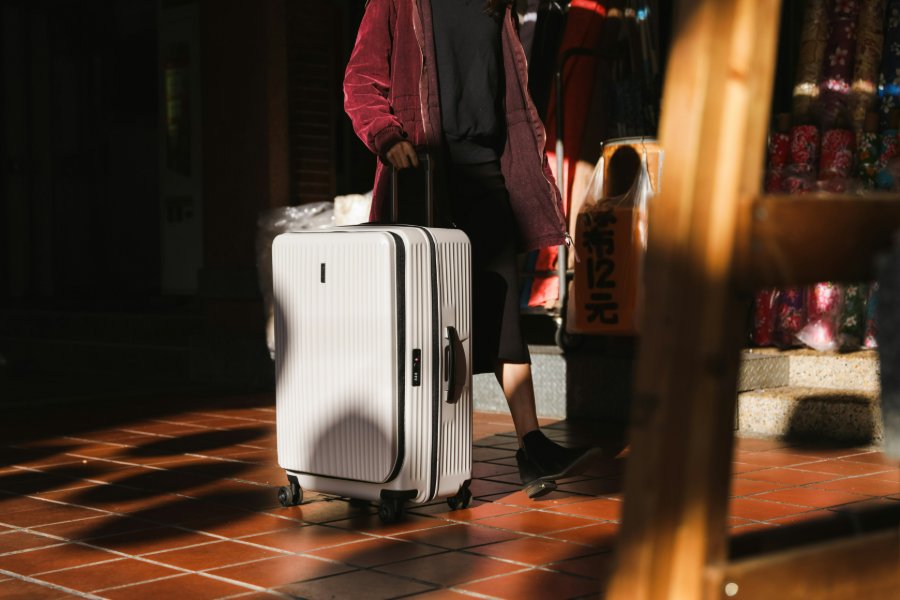
Packing for an extended trip can feel challenging, especially when you need clothing, personal care products, and travel essentials for several weeks. Heavy luggage creates extra costs, limits mobility, and makes transportation more stressful. Fortunately, reducing baggage weight does not require sacrificing comfort or leaving important belongings behind. A thoughtful packing strategy helps travelers carry less while staying prepared for different destinations, activities, and weather conditions.
Start With a Realistic Packing Plan
The first step toward lighter luggage is understanding what your trip actually requires. Review your itinerary, destination climate, planned activities, and accommodation arrangements before selecting belongings. Consider whether you will visit cities, beaches, mountains, or rural communities. Each environment creates different packing needs. Researching local weather conditions also helps prevent unnecessary clothing choices. A clear plan makes it easier to distinguish essential items from belongings that seem convenient.
Create a packing checklist several days before departure. Begin with important documents, medications, clothing, and personal care products. Then evaluate additional items based on their usefulness. Avoid packing for every unlikely situation because this quickly increases suitcase weight. If your accommodations provide towels, hair dryers, or laundry facilities, leave those items at home. Reviewing your checklist twice can reveal duplicates and help you eliminate unnecessary belongings before traveling.
Choose Lightweight Clothing That Works Together
Clothing usually occupies the largest portion of travel luggage. Choosing versatile garments can significantly reduce both weight and storage requirements. Select neutral colors that coordinate easily, allowing you to create several outfits from fewer pieces. Comfortable shirts, adaptable pants, and simple outerwear work well for everyday activities. Avoid bringing clothing that serves only one purpose unless your itinerary includes a specific event requiring it.
Fabric selection also makes a noticeable difference. Lightweight materials such as breathable synthetics and certain cotton blends provide comfort without excessive bulk. Quick-drying garments are particularly useful during extended journeys because they simplify washing and reuse. Instead of packing several heavy sweaters, bring lighter layers that work together. This approach provides flexibility when temperatures change while keeping your suitcase manageable throughout the trip.
Limit Shoes and Bulky Travel Accessories
Shoes can add considerable weight to luggage, especially when travelers pack multiple pairs for different occasions. Choose comfortable footwear that supports walking, sightseeing, and casual dining. A reliable pair of walking shoes and lightweight sandals may cover most travel activities. Wear your heaviest shoes during transportation when practical. Avoid packing additional footwear unless your planned activities genuinely require specialized protection or support.
Accessories deserve similar attention because small items can accumulate quickly. Large handbags, heavy belts, oversized jewelry, and unnecessary travel gadgets occupy valuable space. Choose compact accessories that serve multiple purposes. A lightweight scarf, for example, can provide warmth, sun protection, or modest coverage when visiting cultural attractions. Limiting accessories creates additional room for essentials and makes organizing your belongings easier during frequent accommodation changes.
Reduce Toiletries and Personal Care Products
Full-sized toiletries often contribute unnecessary weight to travel bags. Replace large bottles with smaller refillable containers that hold enough product for your immediate needs. Consider solid shampoo, compact soap, and lightweight grooming tools when suitable. Many accommodations provide basic hygiene products, so check available amenities before departure. Choosing smaller quantities helps reduce luggage weight while keeping your daily personal care routine comfortable and convenient.
Extended trips do not always require carrying enough toiletries for the entire journey. Travelers can often purchase familiar products at supermarkets or pharmacies after arriving. However, bring adequate supplies of specialized products that may be difficult to replace. Keep prescription medications in appropriate packaging and check destination regulations. Separating essential health supplies from optional beauty products helps maintain a practical balance between preparedness and lightweight packing.
Use Smart Packing Methods and Compact Organizers
Efficient packing techniques help travelers maximize suitcase space and maintain better organization. Packing cubes separate clothing categories and make individual items easier to locate. Rolling flexible garments can create compact arrangements, while folding structured clothing helps preserve its appearance. Compression bags may reduce clothing volume, but they do not reduce actual weight. Travelers should therefore focus on removing unnecessary items rather than simply squeezing more belongings into smaller spaces.
Choose lightweight organizers instead of heavy storage accessories. Small fabric pouches can hold charging cables, toiletries, and personal items without adding much weight. Place heavier belongings near the wheels of rolling suitcases to improve stability. Keep frequently used essentials in accessible compartments. An organized suitcase makes packing faster, prevents misplaced belongings, and reduces frustration when moving between hotels, airports, and transportation terminals.
Minimize Electronics and Travel Equipment
Electronic devices provide valuable support during international travel, but carrying too many gadgets increases luggage weight. Smartphones can handle navigation, communication, photography, entertainment, and reservation management. Consider whether you genuinely need a separate camera, tablet, or laptop. Travelers who are not working remotely may find that one reliable smartphone covers most daily requirements. Reducing duplicate technology also means carrying fewer chargers, cables, and protective cases.
Select compact charging accessories that work with your essential devices. A suitable international power adapter can support travel across countries with different electrical outlets. Check voltage compatibility before using appliances abroad. Portable batteries offer convenience during long transportation days, but airline restrictions may apply. Keeping technology simple reduces packing complexity and allows travelers to spend less time managing equipment and more time enjoying their destinations.
Maintain Lightweight Packing Habits Throughout Your Journey
Reducing luggage weight is not only a task completed before departure. Travelers should maintain practical packing habits throughout extended trips. Washing clothing regularly allows you to reuse a smaller wardrobe instead of carrying extra outfits. Many hotels, hostels, and rental accommodations provide laundry facilities or nearby services. Planning occasional laundry days helps preserve cleanliness and comfort without increasing the amount of clothing you need.
Be selective when purchasing souvenirs and additional belongings during your journey. Small, meaningful items are easier to transport than bulky purchases. Before leaving each destination, review your suitcase and remove unnecessary packaging or disposable materials. Weigh your luggage when possible, especially before flights with strict baggage limits. Maintaining these habits keeps your belongings manageable and supports a smoother, more enjoyable travel experience from departure to return.